

Sustainable Brewing
Brewing Sustainability: Nurturing a Greener Future for the Coffee Industry
The coffee industry is a global phenomenon, with over 2 billion cups consumed daily around the world. It touches nearly every aspect of our lives: from morning rituals to social interactions, and even through the economic lifeblood of entire regions. However, as the demand for coffee continues to rise, so too do the environmental and social challenges associated with its production. Issues such as deforestation, water waste, and poor working conditions have long been part of the conversation around coffee production. In response, the industry is increasingly turning to sustainable practices in an effort to protect the environment, improve the livelihoods of farmers, and ensure that coffee continues to be a viable commodity for future generations.

Brewing sustainability is not just about using eco-friendly cups or biodegradable straws—it’s about making fundamental, system-wide changes that address the root causes of environmental degradation and social inequity within the coffee supply chain. From sustainable farming practices to innovative brewing methods, the future of coffee depends on how well the industry embraces green initiatives. This article delves into the multi-faceted nature of sustainability in the coffee industry, exploring the environmental, social, and economic impacts, as well as the solutions that are helping to create a greener, more equitable coffee world.
Sustainable brewing practices are becoming increasingly important in the coffee industry as consumers and producers aim to minimize environmental impact while maintaining beverage quality. One often overlooked aspect of sustainability is its relationship with caffeine content. Although sustainability focuses more on environmental and ethical practices, it can indirectly affect the caffeine levels in your cup. For instance, sustainable farms often use shade-grown techniques, which can influence how coffee cherries mature. Slower maturation under shade can lead to more complex flavors and sometimes slightly altered caffeine levels due to differences in bean density and growth rate.
The use of organic or low-impact fertilizers may also affect the chemical makeup of coffee plants, including caffeine synthesis. Furthermore, sustainable processing methods like natural or honey processing can preserve more of the bean’s original characteristics, potentially including caffeine content. These variations, although often subtle, can lead to a different caffeine experience when compared to conventionally grown and processed coffee.
This is where a caffeine calculator becomes especially useful. A caffeine calculator allows consumers to estimate caffeine intake based on variables such as brewing method, coffee bean type, roast level, and serving size. When choosing sustainably produced coffee, using a caffeine calculator helps ensure that you’re aware of how much caffeine you’re consuming, especially since sustainable beans may vary slightly in content due to unique growing or processing conditions.
In sustainable cafes or home setups, brewing methods such as pour-over or AeroPress are often favored for their minimal waste and energy efficiency. Each method extracts caffeine differently, so pairing your sustainable brew with a caffeine calculator can help maintain both an environmentally friendly and health-conscious coffee habit.
In summary, while sustainability primarily targets ethical and environmental concerns, it can also subtly impact caffeine content. A caffeine calculator bridges the gap between mindful sourcing and informed consumption.
The Environmental Impact of Coffee Production
Deforestation and Land Use
The journey of coffee from farm to cup begins with the cultivation of coffee plants, and this process can have a significant impact on the environment. Coffee is primarily grown in tropical regions, many of which are home to rich biodiversity and vital ecosystems. However, the rapid expansion of coffee farming has led to extensive deforestation, particularly in countries like Brazil, Colombia, and Vietnam.
The need for arable land to accommodate the growing demand for coffee has prompted farmers to clear vast areas of forests, often leading to habitat destruction, loss of biodiversity, and disruption of local water cycles. In some regions, coffee production is also associated with soil erosion, as the land is stripped of its natural vegetation, leaving it vulnerable to degradation.
The coffee industry is increasingly recognizing the need for sustainable land use practices to protect the environment and ensure the long-term viability of coffee farming. Agroforestry also helps to preserve water resources by reducing evaporation and allowing for better water retention in the soil.
Water Usage and Pollution
Coffee cultivation is water-intensive. This figure is particularly concerning in areas where water resources are already scarce. In countries like Ethiopia, Kenya, and Brazil, coffee farmers face growing pressure to conserve water, especially during periods of drought or irregular rainfall.
After the beans are harvested, they undergo a series of washing and fermentation processes that often result in wastewater containing organic matter, chemicals, and fertilizers. This wastewater, if not treated properly, can contaminate local water sources and harm aquatic life.
To address these concerns, sustainable coffee producers are adopting water management practices that minimize waste and pollution. Wet processing methods, which are used to remove the outer layers of coffee cherries, are being refined to reduce water consumption and treat wastewater. In addition, some coffee farms are implementing closed-loop systems, where water is recycled and reused in the processing stage.
The Carbon Footprint of Coffee
The carbon footprint of coffee is a growing concern, as it includes emissions associated with farming, transportation, processing, and roasting. Coffee is a global commodity, and the emissions from transporting beans from producing countries to consuming markets are substantial. According to one study, coffee’s carbon footprint is approximately 0.9 kg of CO2 per cup, with the roasting process contributing to the majority of emissions.
In addition, coffee roasters are optimizing their processes to reduce energy consumption, employing more efficient roasting machines, and even investing in carbon offset programs to neutralize their emissions.
Another avenue for reducing coffee’s carbon footprint is to improve the efficiency of the supply chain. Innovations in transportation and logistics, such as the use of electric vehicles and more sustainable packaging, are helping to cut down on emissions.
Social Sustainability: Improving Farmers’ Livelihoods
Fair Trade and Certification Programs
One of the major social sustainability issues in the coffee industry is the disparity between the price farmers receive for their coffee and the price consumers pay at the café or supermarket. Coffee farmers, particularly in developing countries, often struggle to make a living wage due to volatile market prices and low payment for their crops. In some regions, farmers may not even cover the cost of production, leading to poverty and social instability.
By providing a guaranteed minimum price, Fair Trade helps stabilize farmers’ incomes and provides them with a premium for investing in community development, environmental sustainability, and education.
In addition to Fair Trade, other certification programs such as Rainforest Alliance, Organic, and UTZ also focus on promoting sustainability in coffee production. These certifications require farmers to meet rigorous standards in areas such as environmental protection, worker welfare, and community development. While these programs can help improve the livelihoods of farmers and reduce environmental harm, they also come with costs that may be prohibitive for smaller, less-resourced farms.
Direct Trade: A More Transparent Model
Another approach to improving the economic situation of coffee farmers is direct trade. This model eliminates the middleman, allowing roasters to buy coffee directly from farmers or cooperatives at a fair price. By cutting out intermediaries, direct trade can help farmers secure better prices for their coffee, and it fosters closer relationships between producers and consumers.
Direct trade offers a more transparent and personalized approach to coffee sourcing, which can lead to better outcomes for farmers and consumers alike. Roasters who engage in direct trade often work with farmers to improve quality, encourage sustainable practices, and invest in community development. The growing demand for high-quality, single-origin coffees has made direct trade increasingly popular, particularly in specialty coffee markets.
Gender Equity and Empowerment
Gender inequality is another significant issue in the coffee industry. Women make up a large portion of the workforce on coffee farms, but they often face discrimination and limited access to resources, education, and leadership opportunities. Empowering women in the coffee sector is a key aspect of social sustainability.
Programs that promote gender equity in coffee farming are helping to create more inclusive and equitable communities. These initiatives provide women with training, resources, and leadership opportunities, enabling them to take on more prominent roles within the coffee value chain. Empowering women not only benefits individuals but also contributes to the overall sustainability of the industry by improving productivity, quality, and community well-being.
Economic Sustainability: A Long-Term View
The Role of Specialty Coffee
Specialty coffee has become a driving force in promoting economic sustainability in the coffee industry. Specialty coffee roasters and producers emphasize quality over quantity, focusing on the distinct characteristics of coffee from different regions, varieties, and processing methods. This model encourages farmers to adopt higher-quality production practices, which in turn helps to elevate the value of their crops.
Specialty coffee offers farmers the opportunity to earn higher premiums for their coffee, provided they meet quality standards. This emphasis on quality also benefits consumers, who are increasingly looking for unique and sustainable coffee experiences. By fostering a market for high-quality, sustainably produced coffee, specialty coffee contributes to both environmental and economic sustainability.
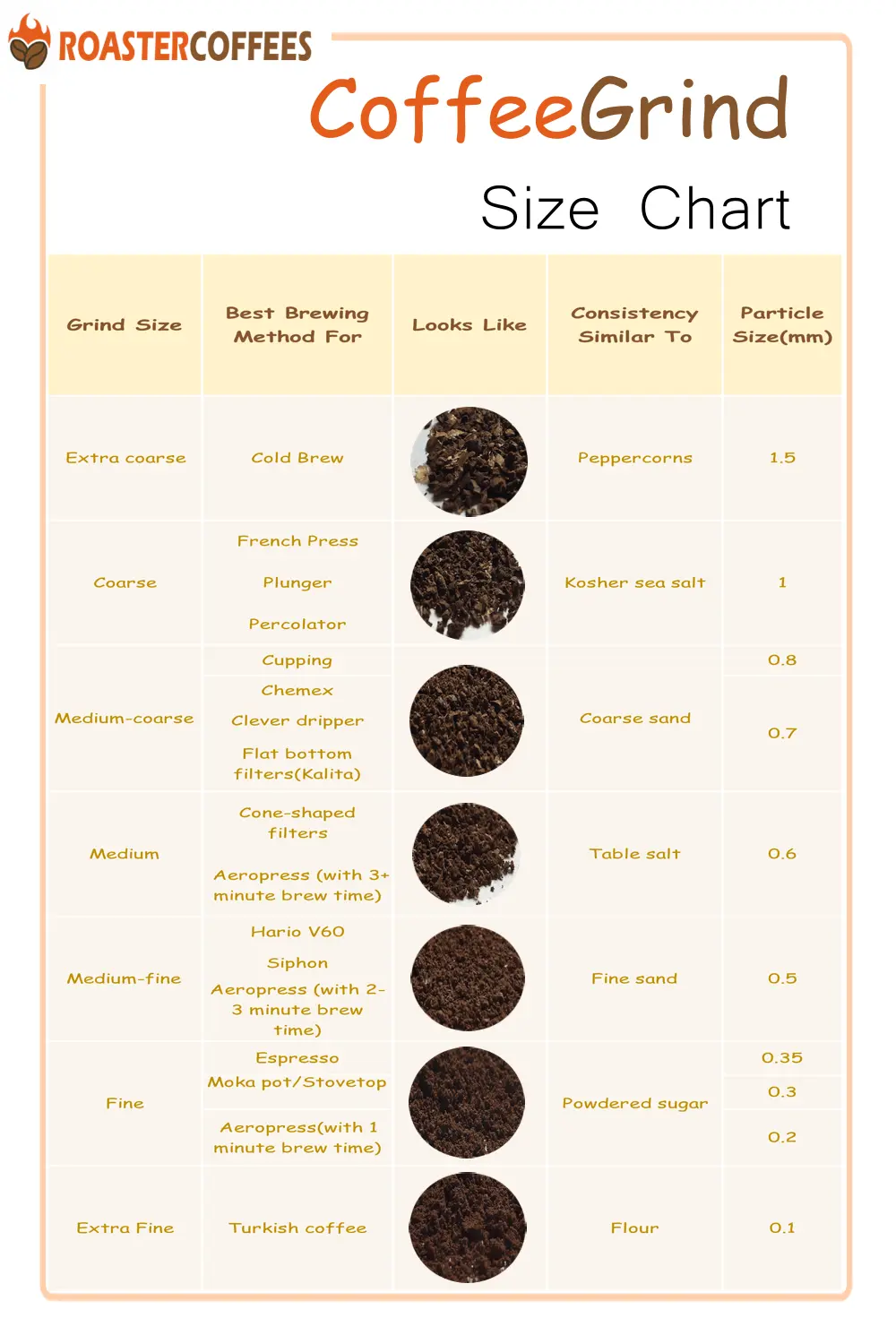
Sustainable brewing and coffee grind size are closely linked, as responsible brewing methods aim to reduce waste and optimize extraction efficiency. Using the correct grind size ensures better flavor and prevents overuse of coffee grounds, supporting sustainability. For example, a coarse grind is ideal for French press, while fine grind suits espresso—both minimizing waste when correctly matched. A coffee grind size chart is a valuable tool in sustainable brewing, guiding users to pair grind size with brewing method accurately. By following the chart, coffee lovers can reduce resource consumption, enhance flavor, and support eco-friendly coffee practices with each cup.
The Impact of Consumer Demand
Consumer demand for sustainable coffee is a driving force behind the industry’s shift toward greener practices. As more consumers become aware of the environmental and social impacts of coffee production, they are demanding products that are ethically sourced, environmentally friendly, and socially responsible. This trend is evident in the rise of eco-conscious coffee brands, sustainable coffee packaging, and the increasing popularity of reusable coffee cups.
The demand for sustainable coffee is not only about ethics; it is also a matter of quality. Consumers are increasingly interested in how their coffee is sourced, and they are willing to pay a premium for sustainably produced, high-quality beans. This growing demand for sustainability is pushing the entire coffee industry to adopt greener practices, from farm to cup.
Innovations in Sustainable Coffee Brewing
While the bulk of sustainability efforts in coffee are focused on farming and sourcing, innovations in brewing also play a crucial role in reducing the environmental footprint of coffee consumption.
Energy-Efficient Brewing Methods
Brewing coffee can be energy-intensive, especially when using methods like espresso machines or automatic drip brewers. However, there are several ways to make the brewing process more energy-efficient. For example, many specialty coffee shops are switching to more energy-efficient espresso machines, which reduce power consumption and minimize waste. Similarly, single-serve coffee pods are being replaced with reusable filters to reduce plastic waste.
Sustainable Packaging
Packaging waste is a significant environmental issue in the coffee industry, especially in the form of single-use coffee pods, which generate significant amounts of plastic waste. As consumers become more eco-conscious, the coffee industry is responding by offering more sustainable packaging options, including biodegradable bags, compostable coffee pods, and reusable containers.
The Future of Sustainable Coffee
The future of coffee lies in finding solutions that balance environmental, social, and economic sustainability. The coffee industry must continue to innovate in areas such as climate change resilience, water conservation, waste reduction, and social equity to ensure that coffee remains a viable product for future generations. As consumers demand more transparency and sustainability from the brands they support, the coffee industry will likely continue to evolve, focusing on solutions that benefit everyone—from the farmers who grow the beans to the consumers who enjoy the cup.
Brewing sustainability is not just about making small, incremental changes; it’s about transforming the entire coffee supply chain. With continued innovation, education, and collaboration, the coffee industry can help lead the way to a greener, more equitable future.
References: