
-
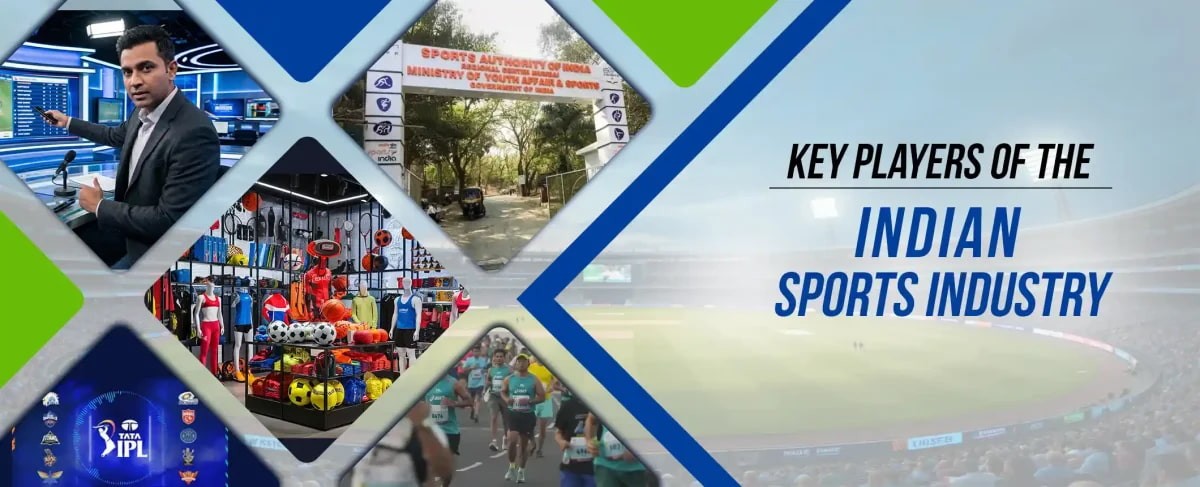
The Indian sports industry has taken a progressive turn in the past decade. While cricket has been spearheading its growth for several years, other sports and its related business verticals have blossomed wonderfully of late. From governmental bodies like the Sports Authority of India to high-performance centres, sports goods manufacturers, event management, athlete management, broadcasting companies & many more key players are working tirelessly to change India’s sporting landscape.
India’s Growing Sports Economy
From event operations to hospitality and sports tourism, sports media to retail — all verticals of the sports industry have seen significant growth in terms of business growth, job demand, and future scope. And one of the major factors behind this sports business boom is the rise of leagues across various sports in India.Leagues like the Indian Premier League (IPL), Pro Kabaddi League (PKL), Indian Super League (ISL) led the way in the late 2000s & early 2010s to kick off the sports league revolution in the country. Following this, other sports also started with their leagues and currently, India has seen a professional league tournament for almost every sport played in the country.
On top of this, India has seen several editions of the Khelo India Games in various formats such as Youth Games, University Games, Para Games, and even Beach Games & Winter Games gaining relevance. The National Games conducted by the Indian Olympic Association (IOA) are also gaining importance. While this has positively influenced the country’s athlete pool at the grassroots level, India is also ambitiously aiming to host the 2036 Olympic Games, having already secured the hosting rights for the 2030 Commonwealth Games.
Also Read: IISM’s Role in 5th Khelo India University Games – Rajasthan 2025
Now, to delve deeper into the core factors of this boom, we need to understand the fabric of India’s sports ecosystem via exploring who its key players are. All the above-mentioned verticals can be bucketed into different stakeholder categories across the public & private sectors.
Key Players of the Indian Sports Industry
National Sports Federations & Governing Bodies
The Ministry of Youth Affairs & Sports (MYAS) can be deemed as the apex governing body for all sporting activities and development in India. Besides sanctioning India’s sports budget and overseeing all national and regional sports federations with even the IOA following its guidelines despite being an autonomous body.Recently, the Sports Ministry has been proactively working to change the face of India’s sporting landscape and came up with the groundbreaking National Sports Policy (NSP) 2025, which aims at making India a sporting powerhouse by 2047. The 2036 Olympic dream is also a part of this ambitious trajectory. They also introduced the Sports Governance Bill to synchronize with the National Sports Policy and bring better administration and oversight over India’s sporting federations from top to bottom.
National Sports Federations have often differed in their ways of governance of their respective sports and the Sports Ministry is trying to mitigate the same. While the Board of Control for Cricket in India (BCCI) has excelled in elevating Indian cricket to newer heights, the likes of All India Football Federation (AIFF) and other associations in hockey, wrestling, and several other sports have often seen things go haywire. Thus, the core focus of the Sports Governance Bill lies on sorting out India’s sports administration.
Key Stakeholders of the Indian Sports Industry | Source: KPMG’s Sportlight Report (2025)
Key Stakeholders of the Indian Sports Industry | Source: KPMG’s Sportlight Report (2025)The Sports Authority of India (SAI), on the other hand, has been growing and working towards uplifting India’s sports industry on all fronts. And this is one organization under the Sports Ministry which has seen regular job opportunities for Sports Management & Sports Science professionals. If one wishes to work in governmental sports organizations in India, the MYAS & SAI often have relevant job openings.
Sports Leagues, Franchises & Clubs
The wave of sports leagues across the country, starting from the IPL, has been revolutionary for India’s sports economy. So much commercial growth has come through a variety of sports, despite cricket taking a large chunk of the pie. An indigenous sport like Kabaddi — which was nowhere near commercial limelight — has seen massive growth in popularity due to the advent of the PKL in 2014.Similarly, look at the massive turnaround women’s cricket has seen, having been on the back burner for so long in India. The Women’s Premier League (WPL) has undoubtedly been the major driver of this surge in popularity. And this is a common theme steadily appearing across all sports.
Dive deeper into how the WPL has contributed to the ongoing revolution in Indian women’s cricket in our blog titled Rise of WPL: Changing the Fabric of Indian Women’s Cricket
Sports Leagues in India
– Indian Premier League (IPL)– Women’s Premier League (WPL)
– Pro Kabaddi League (PKL)
– Indian Super League (ISL)
– Hockey India League (HIL)
– Tennis Premier League (TPL)
– Premier Badminton League (PBL)
– Pro Wrestling League (PWL)
– Ultimate Table Tennis (UTT)
– Prime Volleyball League
– Ultimate Kho-Kho
– Pro Panja League
– Indian Racing League
– Global Chess League
– Indian Pickleball League
A key factor behind the rise in relevance of these leagues are their respective franchise teams and the overwhelming fan support they receive. IPL teams like Mumbai Indians, Royal Challengers Bengaluru & Chennai Super Kings boast of an extremely loyal fanbase, which helps their brand visibility and in turn, business growth to quite an extent. Similarly, teams in the PKL, WPL & ISL have also garnered a lot of attention. The engagement of a large Indian audience is pivotal to how successful these leagues & franchises can be.
These private franchises are different from the local sports clubs & state-level sports associations. While they have existed long before the private leagues and franchises, commercial growth & demand for jobs in these clubs & associations has only seen an upturn in the recent past.
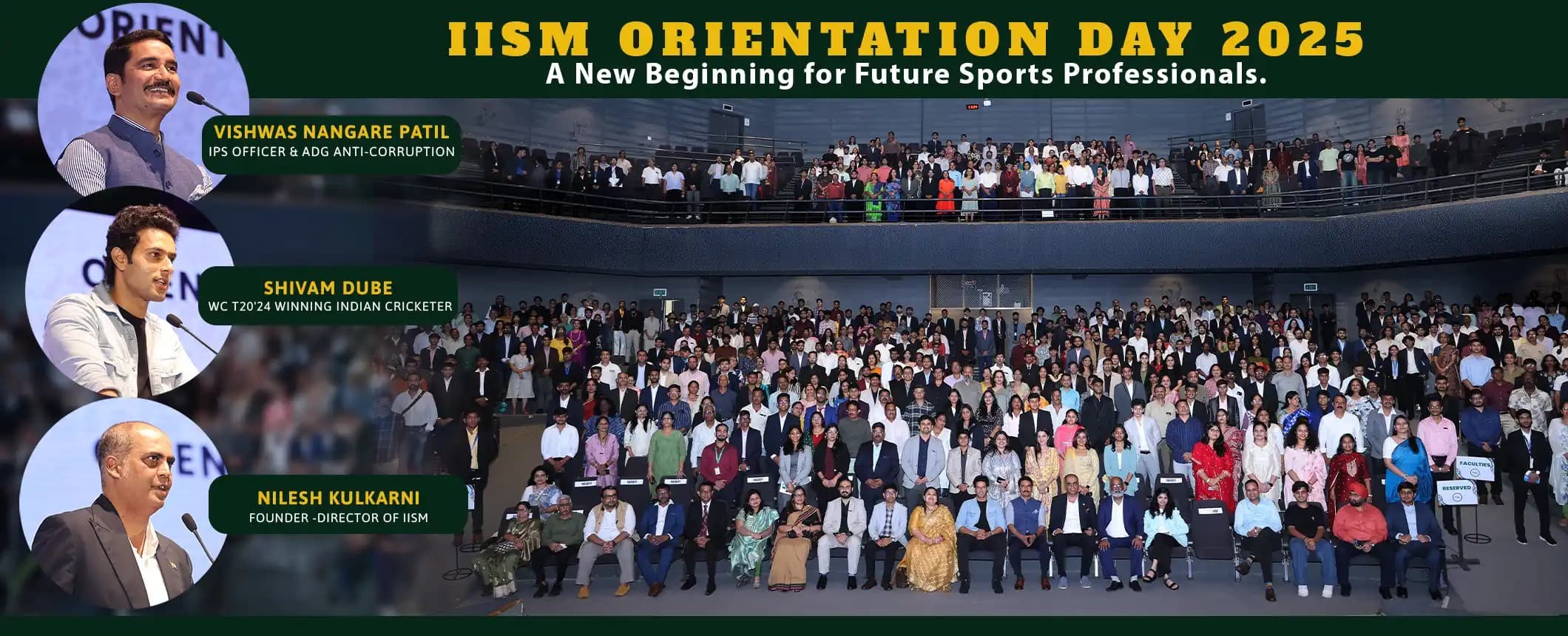
Anyone looking to work in top leagues like IPL, PKL and WPL should look to gain experience via working for a sports club or association in their region as its gives them a good foundation. IISM students have had the opportunity to work across these leagues in various verticals like broadcasting, venue operations, event management, fan engagement, etc.
Some of them have also worked with state associations like the Mumbai Cricket Association, Baroda Cricket Association, etc. as part of live exposure & internship requirements. Imagine the kind of exposure they are getting by working on-ground as these are priceless opportunities that is helping them set a solid foundation to their career in the sports industry.