

Coffee Geek
The Chilled Elegance: Unveiling the Distinctions Between Cold Brew Coffee and Regular Coffee
Introduction
In the ever-evolving landscape of coffee preferences, two contenders have emerged as icons of caffeinated delight: cold brew coffee and regular coffee. While both promise the beloved essence of coffee, they differ fundamentally in their preparation methods, flavor profiles, and overall experiences. This comprehensive guide aims to unravel the nuances that distinguish cold brew coffee from regular coffee, shedding light on the brewing techniques, flavor intricacies, and the distinct pleasures each variant brings to the discerning coffee enthusiast.

Section 1: A Tale of Brewing Methods
1.1. Regular Coffee – The Time-Honored Tradition
The traditional method of brewing coffee involves exposing ground coffee to hot water, typically near boiling point, for a relatively short period. Techniques such as drip brewing, pour-over, French press, and espresso fall under this category. The hot water extracts flavors quickly, resulting in a cup that is aromatic, robust, and often characterized by a balance of acidity and bitterness.
1.2. Cold Brew Coffee – The Patient Elixir
Cold brew, in contrast, follows a markedly different journey. This method entails steeping coarsely ground coffee in cold or room temperature water for an extended period, usually ranging from 12 to 24 hours. The prolonged steeping time allows for a slow, gentle extraction, resulting in a smoother, less acidic brew that captures the nuanced sweetness and subtleties of the coffee beans.
The caffeine content in cold brew coffee differs from regular coffee due to the unique brewing process. Cold brew involves steeping coarsely ground coffee beans in cold water for an extended period, resulting in a concentrated coffee extract. While the coffee-to-water ratio is higher in cold brew, it’s often diluted before consumption. Despite this, the caffeine concentration in a serving of cold brew can be higher than in regular coffee. Regular coffee is brewed with hot water, extracting caffeine faster but usually in lower concentrations. Therefore, while cold brew may seem stronger, the total caffeine intake can be similar or slightly higher than regular coffee. Use a caffeine calculator to better differentiate between the caffeine content of cold brew coffee and regular coffee.
Section 2: Flavor Profiles – A Symphony of Contrasts
2.1. Regular Coffee – The Bold Symphony
Regular coffee boasts a diverse spectrum of flavors influenced by factors such as the bean’s origin, roast level, and brewing method. Lighter roasts may bring forth fruity and floral notes, while darker roasts unfold deep, chocolatey richness with hints of nuttiness or smokiness. The quick extraction process contributes to a cup that is vibrant, aromatic, and punctuated with the lively dance of acidity and bitterness.
2.2. Cold Brew Coffee – The Smooth Serenade
Cold brew, with its protracted steeping period, produces a flavor profile that is distinctly different. The prolonged extraction minimizes acidity and bitterness, giving rise to a smooth and velvety cup. The emphasis is on highlighting the coffee’s natural sweetness, coupled with undertones of chocolate, caramel, and occasionally, floral or fruity notes. The result is a serene and refreshing beverage, inviting sippers to explore the subtleties within.
Section 3: Brewing Time and Patience
3.1. Regular Coffee – The Swift Elixir
The allure of regular coffee lies in its swift preparation. Depending on the chosen brewing method, from the rapid extraction of espresso to the measured pace of pour-over, the entire process generally takes only a matter of minutes. This makes regular coffee an ideal choice for those seeking a quick caffeine fix or a ritualized morning routine.
3.2. Cold Brew Coffee – The Deliberate Creation
Conversely, cold brew demands a patient approach. The extended steeping time allows for a slow and intentional extraction, requiring a level of foresight uncommon in the world of coffee brewing. This deliberate process is rewarded with a concentrated cold brew that can be diluted to the preferred strength, providing flexibility for customization.
Section 4: Serving Temperatures – Hot Versus Cold
4.1. Regular Coffee – The Piping Hot Tradition
Regular coffee, as the name implies, is conventionally served hot. The ideal serving temperature ranges between 195¡ãF to 205¡ãF (90¡ãC to 96¡ãC), optimizing the release of aromatic compounds and contributing to the overall sensory experience. The warmth complements the brisk start to the day or provides a comforting respite during colder seasons.
4.2. Cold Brew Coffee – The Refreshing Chill
Cold brew, in contrast, is served chilled over ice, delivering a refreshing and invigorating experience. The lower serving temperature enhances the perception of sweetness and mutes any residual acidity, offering a delightful departure from the steamy norm. This makes cold brew particularly appealing in warmer climates or as a year-round cool indulgence.
Section 5: Caffeine Content – The Buzzing Dichotomy
5.1. Regular Coffee – The Swift Kick
Regular coffee is renowned for delivering a swift and robust caffeine kick. An average 8-ounce (240 ml) cup contains around 95 milligrams of caffeine, providing the energizing jolt that many coffee enthusiasts seek. The precise caffeine content can vary based on factors such as the bean type, roast level, and brewing method.
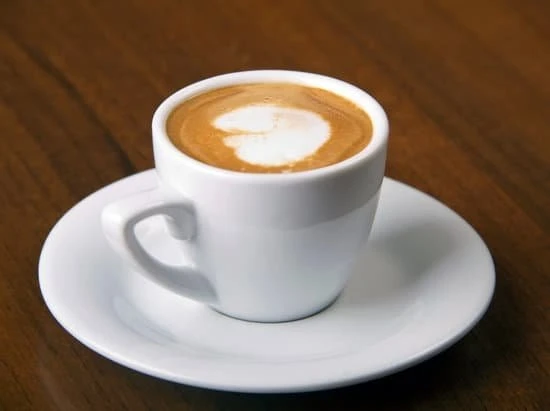
Macchiatos and cold brew coffee represent two distinct spectrums of the coffee world. A macchiato, typically an espresso “stained” with a small amount of frothy milk, offers a bold, intense flavor with a touch of creaminess. On the other hand, cold brew coffee is crafted through a slow steeping process in cold water, resulting in a smoother, less acidic beverage with concentrated caffeine. While a macchiato is known for its quick and robust kick, cold brew embodies a milder, refreshing experience. The relationship lies in their differences, catering to varied preferences for either a quick, intense sip or a laid-back, chilled indulgence.
5.2. Cold Brew Coffee – The Gradual Lift
Cold brew, due to its concentrated nature, can pack a potent caffeine punch. An 8-ounce (240 ml) cup of cold brew may contain anywhere from 100 to 200 milligrams of caffeine, depending on factors such as the brewing strength and dilution. Despite the potential for higher caffeine content, the gradual release often results in a smoother, more gradual lift without the abrupt intensity of a hot cup.
Section 6: Lifestyle and Preferences
6.1. Regular Coffee – The Time-Honored Companion
Regular coffee’s enduring popularity is rooted in tradition and familiarity. It serves as a reliable companion for daily routines, whether enjoyed in solitude during morning contemplation or shared in social settings. The swift preparation aligns seamlessly with the fast-paced lifestyles of many coffee aficionados.
6.2. Cold Brew Coffee – The Trendy Indulgence
Cold brew, with its chic and refreshing allure, has carved a niche as a trendy indulgence. It resonates with those who appreciate the nuances of flavor exploration and the novelty of a chilled coffee experience. Cold brew’s popularity extends beyond the traditional coffee circles, capturing the interest of a diverse audience seeking a contemporary twist.
Conclusion: A Symphony of Choices
In the world of coffee, the choice between cold brew and regular coffee represents a delightful spectrum of options, each catering to diverse preferences and occasions. Whether sipped hot in the brisk dawn or enjoyed chilled on a sunlit afternoon, both variants encapsulate the essence of coffee’s versatility. The decision between the swift allure of regular coffee and the gradual embrace of cold brew ultimately hinges on individual taste, lifestyle, and the desired rhythm of the coffee ritual. As the coffee landscape continues to evolve, enthusiasts are blessed with a symphony of choices, inviting them to explore, savor, and revel in the rich diversity of the caffeinated world.
References:
The Science Of Stirring: Enhancing Drip Coffee For A Perfect Brew
Elevating Your Spanish Coffee Experience: A Guide To Brewing Excellence